
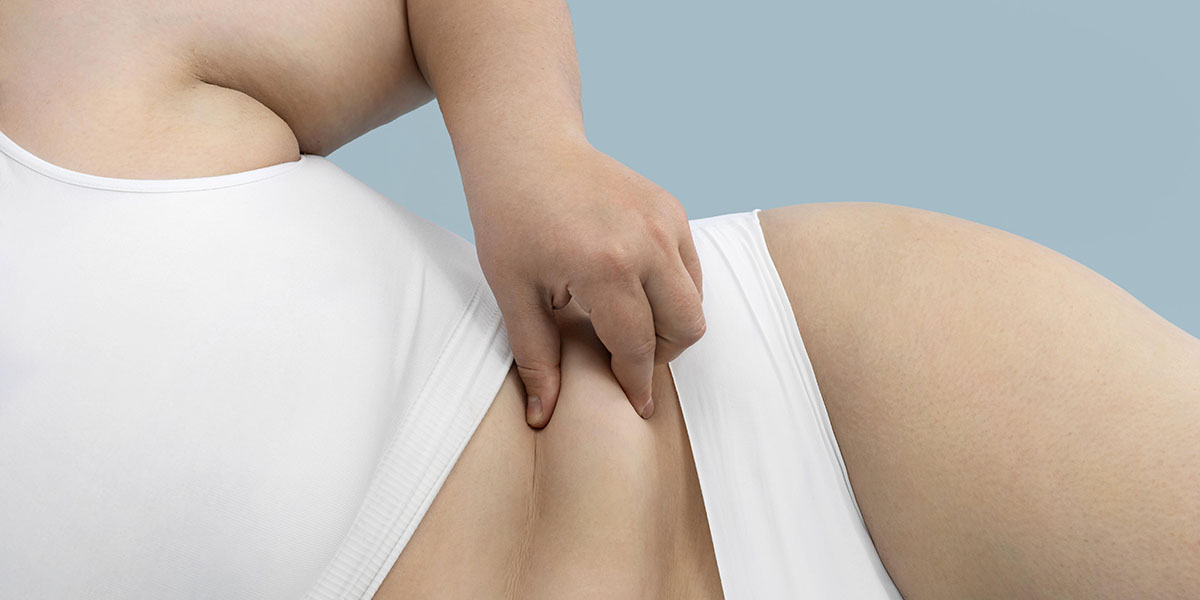
Many people reach a point where exercise and clean eating no longer make a visible difference around the stomach. The issue often lies deeper than lifestyle habits. Stubborn fat, loose skin, or weakened muscles can each shape the abdomen differently. Deciding between lipo 360 vs tummy tuck starts with understanding what each procedure targets. This article discusses how they differ, what results to expect, and how to decide which approach suits your goals.
Understanding Lipo 360
Lipo 360 is a form of circumferential liposuction that targets fat around the entire midsection. It includes the stomach, waist, flanks, and back to create a more even contour. The procedure removes fat through small incisions using suction-assisted tools, ultrasound, or laser energy. It focuses on reshaping rather than tightening.
Ideal candidates are people who have:
- Firm, elastic skin
- Minimal sagging or stretch marks
- Noticeable fat deposits around the waistline
Because it removes fat but leaves the skin and muscles untouched, results depend heavily on skin quality. Patients with poor elasticity may see dimpling or looseness after surgery, which a tummy tuck can correct.
Understanding the Tummy Tuck
A tummy tuck, also known as abdominoplasty, is a reconstructive procedure designed to remove loose skin and repair stretched or separated abdominal muscles. During surgery, the doctor makes a low incision along the bikini line, removes excess skin and fat, and tightens the underlying muscles. The navel is repositioned to match the new shape.
This procedure suits those whose main concern is skin laxity or muscle separation rather than fat alone. It is often chosen after pregnancy or major weight loss, when the skin and muscles cannot return to their original firmness.
Key Difference Between Lipo 360 and Tummy Tuck
The difference between lipo 360 and tummy tuck comes down to what each procedure corrects. Lipo 360 addresses fat. A tummy tuck treats skin and muscle. They can be performed separately or combined when a patient has both fat and loose tissue.
| Category | Lipo 360 | Tummy Tuck |
| Goal | Remove fat and contour the body | Remove skin and tighten muscles |
| Invasiveness | Minimally invasive | Surgical with larger incision |
| Recovery | About 1 week | 2–3 weeks |
| Scarring | Small, hidden ports | Low hip-to-hip scar |
| Best for | Good skin elasticity | Loose skin or separated muscles |
These differences highlight why no single surgery works for everyone. The right choice depends on which layer of the abdomen needs correction.
When to Consider Lipo 360 or Tummy Tuck
The decision between the two procedures start with an in-person assessment. A qualified surgeon evaluates fat, skin, and muscle individually.
- Choose Lipo 360 if your main concern is stubborn fat with firm, elastic skin.
- Choose a Tummy Tuck if your abdomen feels loose or hangs after pregnancy or weight loss.
- Choose a Tummy Tuck with Lipo when fat, lax skin, and weak muscles overlap. This combined procedure, called lipoabdominoplasty, treats all three layers in one operation and has been shown in clinical studies to lower rates of fluid buildup compared with older techniques.
Which Is Better: Tummy Tuck or Lipo 360
There is no single answer to which is better, lipo 360 or tummy tuck. If the concern is fat distribution, Lipo 360 is usually enough. If the concern is structure, a tummy tuck is necessary.
A 2021 systematic review found that combining both procedures using modern methods can reduce complications such as hematoma and seroma while improving contour results. These findings support the idea that comprehensive treatment of fat, skin, and muscle often provides the most satisfying outcomes.
Recovery and Risks
Recovery times reflect how invasive each procedure is. Lipo 360 uses small incisions, so most patients return to light activities within a week. A tummy tuck requires more rest and two to three weeks before work or exercise.
According to data reviewed by the Aesthetic Plastic Surgery Journal, abdominoplasty has a higher risk of venous thromboembolism than other cosmetic surgeries, largely because of longer operating times and muscle tightening steps. Preventive measures such as early mobility and compression garments greatly reduce that risk.
Swelling, mild bruising, and temporary numbness are expected for both surgeries. Most of these effects subside within weeks as tissues heal and circulation improves.
The Role of Combination Procedures

Many patients have both loose skin and stubborn fat. In these cases, the combined approach known as tummy tuck with lipo has become common practice. This technique allows for complete reshaping of the abdomen and waist.
Modern surgical advances, like preserving blood vessel perforators and using progressive tension sutures, have made the combination safer. Research from PubMed Central confirms that lipoabdominoplasty not only avoids higher complication rates but may also reduce common issues like seroma formation.
Cost Considerations
Pricing varies depending on anesthesia, number of treated areas, and whether it’s a single or combined surgery. Lipo 360 is generally more affordable since it focuses on fat reduction without skin excision or muscle repair. A tummy tuck costs more because it involves structural correction.
Patients often refer to guides that discuss how much fat can be removed with Lipo 360 when planning expectations. Understanding procedural limits helps patients make informed decisions during consultation.
Expected Results
Swelling gradually decreases over several weeks for both surgeries. With Liposuction 360, the waist becomes more defined as inflammation subsides. With a tummy tuck, results improve as the skin retracts and the muscle repair strengthens.
Surgical precision also influences the outcome. The approach to what Lipo 360 involves determines the level of symmetry and contour that can be achieved, especially since the treatment extends around the entire torso rather than focusing on one side.
Making the Decision
Here’s a practical way to think about your options:
- If your skin is firm and your concern is fat, Liposuction 360 is typically enough.
- If your skin is loose or stretched, a Tummy Tuck restores firmness and shape.
- If both fat and skin bother you, combining the two gives the most balanced outcome.
The right procedure matches anatomy, not preference. A qualified surgeon will identify which layer (fat, skin, or muscle) is causing the concern before recommending treatment.
Final Thoughts
Choosing between lipo 360 vs tummy tuck is less about preference and more about precision. Each procedure serves a distinct purpose, and selecting correctly prevents disappointment later. Patients who understand these differences often recover with greater confidence because their expectations match their results.
If you are ready to learn what fits your body and timeline, schedule a private consultation with Dr. El-Attar’s team. Personalized evaluation ensures the plan aligns with your anatomy, lifestyle, and comfort. Schedule your consultation here.