
Blepharoplasty, also commonly referred to as eyelid surgery, is a procedure that addresses both cosmetic and functional concerns, such as sagging skin, under-eye bags, and drooping lids that may impair vision.
Blepharoplasty is a delicate surgical procedure that requires precision and expert technique. While incisions are typically small, the surgery still involves meticulous work around the eyes, making proper post-operative recovery crucial in achieving safe and natural-looking results.
This guide outlines the stages of eyelid surgery recovery, explains the factors that influence healing, and offers helpful recommendations to ensure a smooth and comfortable recovery.
What Is the Typical Healing Time for Blepharoplasty?

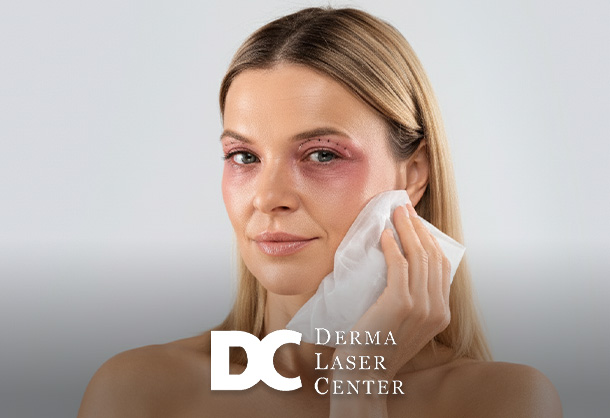
After getting your blepharoplasty procedure done, it’s important to dedicate at least one to two weeks to properly heal. It’s normal for patients to experience swelling and mild bruising in the first several days.
During this time, monitoring your recovery closely and notifying your surgeon if you notice anything out of the ordinary allows for prompt adjustments that keep your healing on track.
What Affects Blepharoplasty Recovery Time?

The exact time it takes to completely heal from a blepharoplasty procedure varies from patient to patient. Some factors that potentially affect a patient’s eyelid surgery recovery time include:
- Age: Younger patients often heal faster due to stronger skin elasticity and better cellular regeneration, while older patients may experience a slower recovery.
- Overall Health: Conditions such as diabetes, high blood pressure, or autoimmune disorders can lengthen healing time. Patients in good general health typically recover more quickly.
- Lifestyle Habits: Smoking, poor nutrition, or inadequate sleep can slow healing, while a balanced diet and healthy habits support faster recovery.
- Surgeon’s Technique: The precision and expertise of the surgeon can influence how much tissue trauma occurs, which directly affects the speed of healing.
The type of blepharoplasty performed, whether upper, lower, or both, also plays a role. The upper blepharoplasty recovery time tends to be quicker, and most patients feel comfortable returning to daily routines within a couple of weeks. The lower blepharoplasty recovery time can extend longer, since this area is more sensitive and typically requires more care. Patient gender can also be a factor — blepharoplasty for men is tailored to preserve a natural, masculine appearance around the eye, which influences both the surgical approach and the specific aftercare considerations.
Week-by-Week Blepharoplasty Healing Timeline

Having a clear idea of what happens in the weeks following surgery helps patients feel more at ease and better prepared for recovery. A week-by-week timeline offers practical guidance on the healing process, from the early stages of rest to the point where the eyelids begin to regain a natural appearance.
The following guide outlines what most patients can expect during each stage of blepharoplasty recovery.
Week 1: Managing Swelling and Protecting the Eyes

While Derma Laser Center uses advanced surgical techniques to minimize tissue trauma, blepharoplasty is still a surgical procedure that involves dealing with highly sensitive tissues around the eyes. Most patients report swelling, bruising, and a feeling of tightness around the eyelids directly after surgery.
These symptoms are most noticeable during the first few days and generally reach their peak within the first 48 hours. Patients are advised to rest with the head elevated, use cold compresses as directed, and avoid activities that increase pressure around the eyes.
Patients are also advised to avoid exposing their eyes to direct sunlight and to protect them from dust, wind, and other irritants that may cause inflammation.
Week 2: Noticeable Reduction in Bruising

Following the first week, patients should feel more comfortable with a visible reduction in swelling and bruising around the eyelids. Despite the noticeable improvements, it’s important to note that the eyelids are still in a delicate state and require ongoing care.
During this stage of the healing process, progress is usually steady, and patients are encouraged to continue following aftercare instructions closely. Patients can also begin resuming light daily activities, such as returning to office work or school, provided that these tasks do not place strain on the eyes. Strenuous exercise, heavy lifting, and activities that raise blood pressure should still be avoided until cleared by the surgeon.
Week 3–6: Gradual Return to Normal Activities
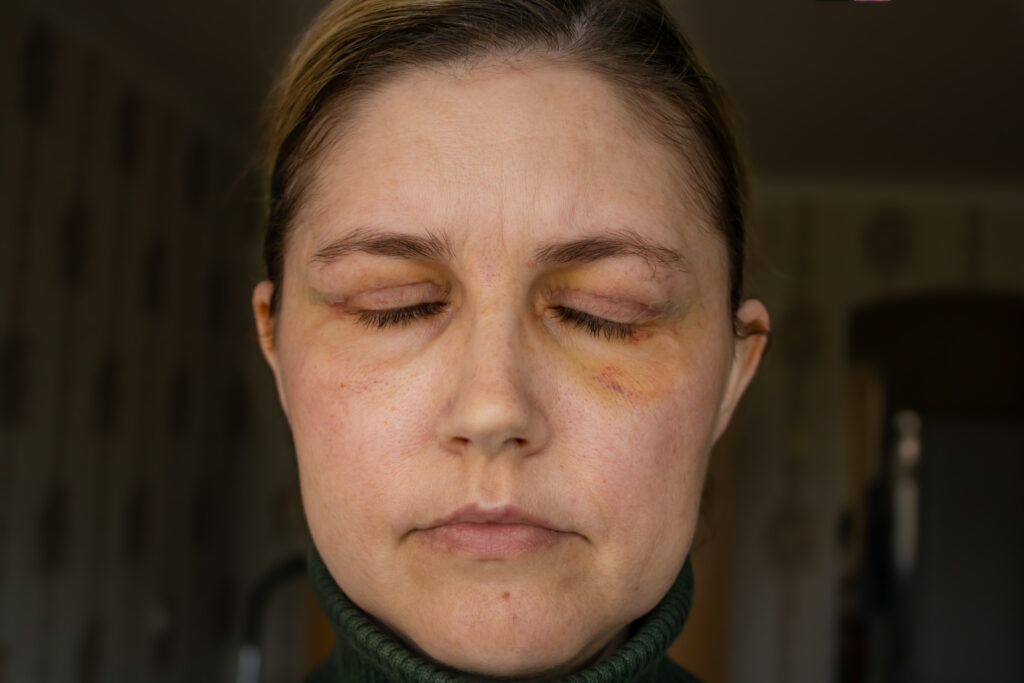
Between the third and sixth week of recovery, the majority of patients experience steady progress. The eyelids continue to heal, and the residual puffiness or discoloration typically becomes much less noticeable.
During this period, most patients can resume their regular daily activities and incorporate light forms of exercise. However, before starting high-impact workouts, it’s important to ask for your surgeon’s approval. Many patients can also begin using makeup to cover residual discoloration, enabling patients to attend professional and social gatherings without feeling too self-conscious.
Months 2–6: Final Results Become More Visible

Between two and six months after surgery, the eyelids gradually settle into their final shape. Swelling and bruising are usually resolved, and the skin in the surgical area becomes softer and more natural in appearance. By the end of this stage, most patients feel fully confident with the results of their procedure. Maintaining consistent skincare and attending follow-up visits helps preserve these improvements.
How Long After Blepharoplasty Will I Look Normal?
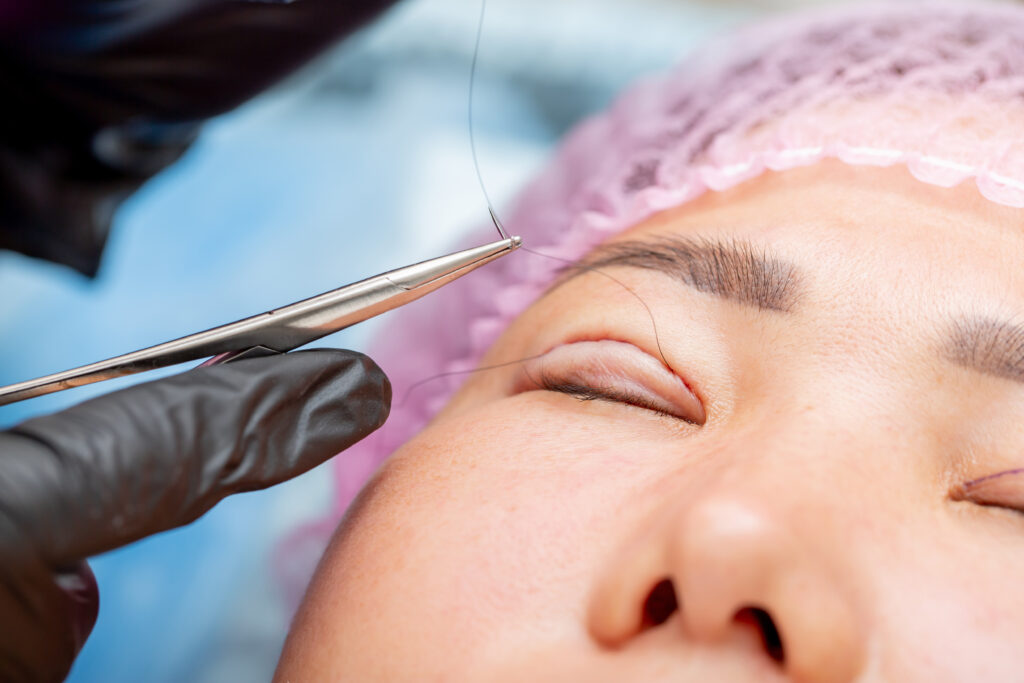
While it can be overwhelming and concerning for patients to see their eyelids swollen and puffy 1 week post-blepharoplasty, it’s usually normal and part of the body’s natural healing response.
In most cases, patients can expect swelling and bruising to improve noticeably within the first two weeks, with the majority of visible changes resolving by the third or fourth week. By this point, most individuals feel comfortable returning to work or social activities, as the eyelids generally appear more natural and less swollen.
Best Practices to Promote Smooth Recovery After Eyelid Surgery

In addition to the skills of the surgeon and the techniques utilized, the success of your blepharoplasty procedure also depends on how you take care of yourself following surgery. Here are some practical steps you can take to keep your eyes safe and help the healing process go smoothly.
- Prioritize Rest and Sleep: While this tip may sound overrated and basic, it directly influences how quickly swelling subsides and tissues recover. Make sure to get at least eight hours of uninterrupted sleep each night and keep your head elevated with extra pillows to reduce fluid buildup around the eyes.
- Protect Against Sun and UV Exposure: Use sunglasses with full UV protection and consider a wide-brimmed hat when outdoors. Sun exposure during early recovery can worsen swelling and cause incisions to darken, making scars more noticeable.
- Use Cold Compresses Strategically: Cold compresses are most effective during the first 48 hours after surgery when swelling peaks. Apply them gently for 10–15 minutes at a time, several times a day, making sure the compress does not put direct pressure on the eyelids.
- Switch to Warm Compresses After the First Few Days: Once the initial swelling starts to subside, warm compresses can help improve circulation and speed the resolution of bruising. Always confirm timing with your surgeon before switching from cold to warm therapy.
- Stay Hydrated but Limit Caffeine and Salt: Drinking plenty of water supports tissue repair and circulation. At the same time, high salt intake and excessive caffeine can cause fluid retention and worsen puffiness around the eyes.
Achieve Brighter, Youthful Eyes with Expert Blepharoplasty at Derma Laser Center
To get the most out of your blepharoplasty procedure, it’s crucial for patients to commit to proper aftercare during the recovery process. While the first weeks bring temporary swelling and bruising, patience and proper care reveal lasting improvements that look natural and refined. Being prepared for the process helps patients move through recovery with peace of mind.
At Derma Laser Center NJ, we focus on delivering results that are safe, natural, and tailored to your needs. Dr. Ayman El-Attar brings decades of expertise and a personalized approach to every procedure, ensuring that patients feel informed, supported, and comfortable at each stage of their journey. Schedule your consultation today and receive a customized evaluation that addresses your unique needs.