
Blepharoplasty is a popular solution for correcting droopy eyelids and reducing puffiness beneath the eyes. However, swelling and bruising are common concerns during recovery. With proper blepharoplasty aftercare, these symptoms can be managed safely and effectively.
In this blog, we’ll walk you through what to expect during each stage of healing, explain what’s normal, and share practical tips to help you recover as comfortably as possible.
The Importance of Following Proper Blepharoplasty Aftercare Guidelines

As blepharoplasty involves working in a very delicate area around the eyes, following aftercare instructions closely can make a noticeable difference in how smoothly recovery goes.
Skipping or rushing through the recovery process can lead to prolonged swelling, increased discomfort, and delayed healing, and also potentially negatively impact your blepharoplasty results.
While serious complications are uncommon, the best way to protect your results is to follow your surgeon’s instructions closely, especially during the first one to two weeks. Some of the most important things patients need to avoid during this time include:
- Strenuous Exercise and Heavy Lifting: Even if you feel fine, your body still needs time to heal. High-intensity exercise and heavy lifting can increase swelling and bruising by raising blood pressure, especially during the first few days after surgery.
- Rubbing or Pressing on the Eyes: Rubbing, tugging, or pressing on the eyes can strain the incision sites and increase inflammation, which may interfere with healing.
- Wearing Eye Makeup Too Soon: Although it’s tempting to cover up bruising with makeup, the incision sites are still closing, and the surrounding tissue is sensitive. Applying eye makeup too early may increase the risk of irritation or infection, especially since removing it requires friction around the eyes.
- Contact Lens Use (Until Cleared): If you normally wear contacts, you may need to switch to glasses for a short time. Contact lenses can make your eyes feel drier, and the process of inserting and removing them can irritate healing eyelids.
- Smoking or Nicotine Use: Nicotine restricts blood flow, which can delay healing and affect how incisions mature. Avoiding smoking during recovery supports better tissue repair.
- Excess Salt and Alcohol: Too much salt and alcohol can make swelling worse by causing your body to hold onto extra fluid. Eating balanced meals and staying well-hydrated can support a smoother recovery.
Blepharoplasty Healing Guide: Recovery Timeline and What’s Normal

Blepharoplasty recovery is a gradual process, and the timeline can vary depending on whether you had upper eyelid surgery, lower eyelid surgery, or both. While most patients start feeling more comfortable within the first week, the tissues continue to settle for several weeks afterward.
Understanding what to expect can make recovery feel far more predictable. Here are some helpful eyelid surgery recovery tips to guide you through each stage of healing.
1. Immediate Post-Op (24–48 Hours): Inflammation and Peak Swelling
The first 24 to 48 hours after blepharoplasty are usually when swelling is at its highest. This is your body’s normal response to surgery. Even though the incisions are small, the eyelids have thin skin and a lot of tiny blood vessels, so swelling and bruising can look more dramatic than many patients expect. It is also common for the eyes to feel tight, dry, or slightly watery during this phase.
Helpful tips for the first 24 to 48 hours:
- Use cold compresses as directed. This helps reduce swelling and can ease discomfort.
- Keep your head elevated, even while sleeping. Elevation helps fluid drain and prevents swelling from building up.
- Take medications exactly as prescribed. This may include pain relief, antibiotic ointment, or lubricating drops.
- Avoid bending over or lifting anything heavy. Even small increases in pressure can make swelling worse.
- Rest your eyes. Limit screen time and avoid reading for long periods if your eyes feel strained.
- Expect bruising to develop gradually. Bruising often becomes more noticeable over the next few days, even if it looks mild on day one.
2. Early Healing Phase (Days 3–5): Bruising Forms and Swelling Begin to Ease
Days 3 to 5 are often when bruising becomes more noticeable, even if the swelling is starting to go down. This can throw patients off because it may look like things are getting worse instead of better. In most cases, it’s simply part of the normal healing process. Bruising can deepen in color during this stage and may even drift lower under the eyes as it fades. Some patients also notice tightness in the eyelids, especially when they try to blink, this is typically not a cause for concern.
- Follow your surgeon’s instructions on compresses. Some patients switch from cold to warm compresses during this period.
- Continue sleeping elevated. This can reduce puffiness, especially first thing in the morning.
- Avoid salty foods and alcohol. Both can contribute to lingering swelling.
- Protect your eyes from wind and bright light. Sunglasses can be surprisingly helpful during this phase.
- Monitor your progress. Swelling and bruising can shift from day to day, so snap a quick photo to help track any gradual changes.
3. First Follow-Up Visit (Days 7–10): Suture Removal and Healing Assessment
By days 7 to 10, many patients begin to feel noticeably better. Swelling and bruising often start to fade, and the eyelids look less puffy than they did in the first few days. This is also when most patients return for their first follow-up visit. If non-dissolvable sutures were used, they are typically removed during this appointment. Suture removal is usually quick and causes only mild discomfort, if any.
Your provider will carefully check the incision sites to make sure everything is healing as expected. It’s normal to still see some mild redness or feel a bit of tightness at this point. Swelling can also vary throughout the day, often looking more noticeable in the morning.
Helpful tips for this stage:
- Do not rush back into strenuous activity, even if you feel better
- Confirm with your provider before applying makeup near the incision sites
- Keep the area moisturized or treated as instructed
- Limit prolonged sun exposure, as healing skin is more sensitive
- Monitor for signs of infection, such as worsening redness or pain
- Schedule follow-up appointments to track healing progress
4. Intermediate Healing (Weeks 2–4): Swelling Reduction and Scar Maturation
During weeks 2 to 4, many patients feel like they’re getting back to normal. Swelling continues to go down, although some subtle puffiness can still hang around, particularly in the lower eyelids.
This phase is also when scar maturation begins. Incisions may appear slightly pink or firm before gradually softening and fading. Proper care during this stage supports healthy scar development and helps ensure a refined final result.
What helps during this phase:
- Continue gentle care around the eyes
- Wear sunglasses outdoors to protect healing skin
- Avoid picking at any flaking or dryness near incisions
- Keep workouts moderate and watch for increased swelling
- Maintain good sleep habits to reduce morning puffiness
- Remember that final results often take several more weeks to fully settle
5. Long-Term Healing (Months 1–3): Final Contour and Tissue Settling
Around the one-month point, many patients experience significant improvement. Swelling has improved a great deal, and the eyelids usually appear much more refined than they did early on. Still, recovery does not stop there. Over the next couple of months, the skin and underlying tissue continue to relax and adjust, bringing the final contour into clearer focus.
This is also the stage where incision lines start to fade more noticeably. They may still look slightly pink or feel firm in certain areas, but this typically improves gradually. If you had lower blepharoplasty, it’s not unusual for subtle under-eye puffiness to take longer to fully disappear.
Tips for supporting healing during months 1 to 3:
- Continue using sun protection to support scar fading
- Follow surgeon-approved scar care if recommended
- Maintain healthy lifestyle habits that support tissue repair
- Avoid rubbing the eyes, especially if dryness persists
- Attend follow-up visits if scheduled
- Contact your provider if symptoms worsen instead of improve
Upper Blepharoplasty Healing: What Patients Often Notice Early On
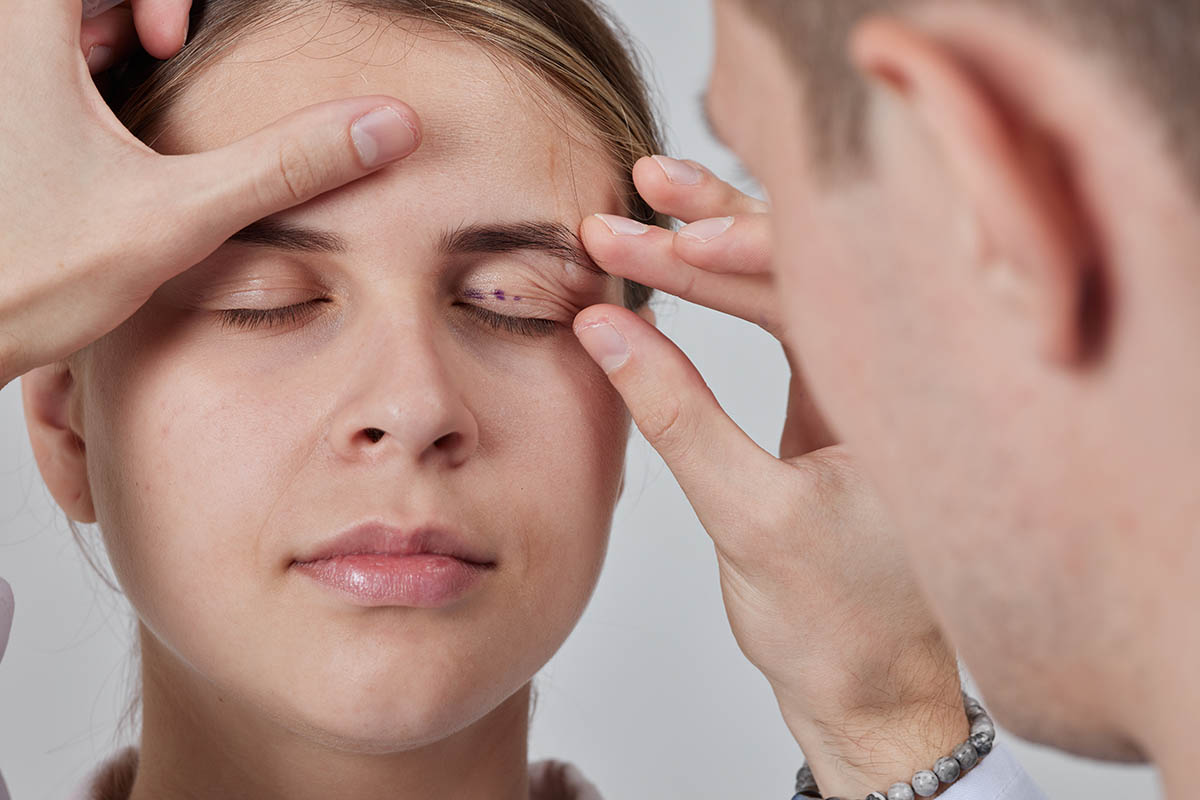
Upper blepharoplasty is a procedure designed to remove or reposition excess skin and, in some cases, small amounts of fat from the upper eyelids.
In the first couple of weeks, the crease may look slightly pink or feel firm, and the eyelids can appear more “tight” than expected when you blink or raise your brows. As healing progresses, that tight feeling usually softens and the incision begins blending into the natural eyelid fold. It’s also common for one eyelid to look a little more swollen than the other early on, even if the final result ends up very balanced. The key during this stage is allowing the incision to mature naturally and avoiding anything that irritates the crease while it’s still settling.
Lower Blepharoplasty Healing: Why Under-Eye Swelling Lasts Longer
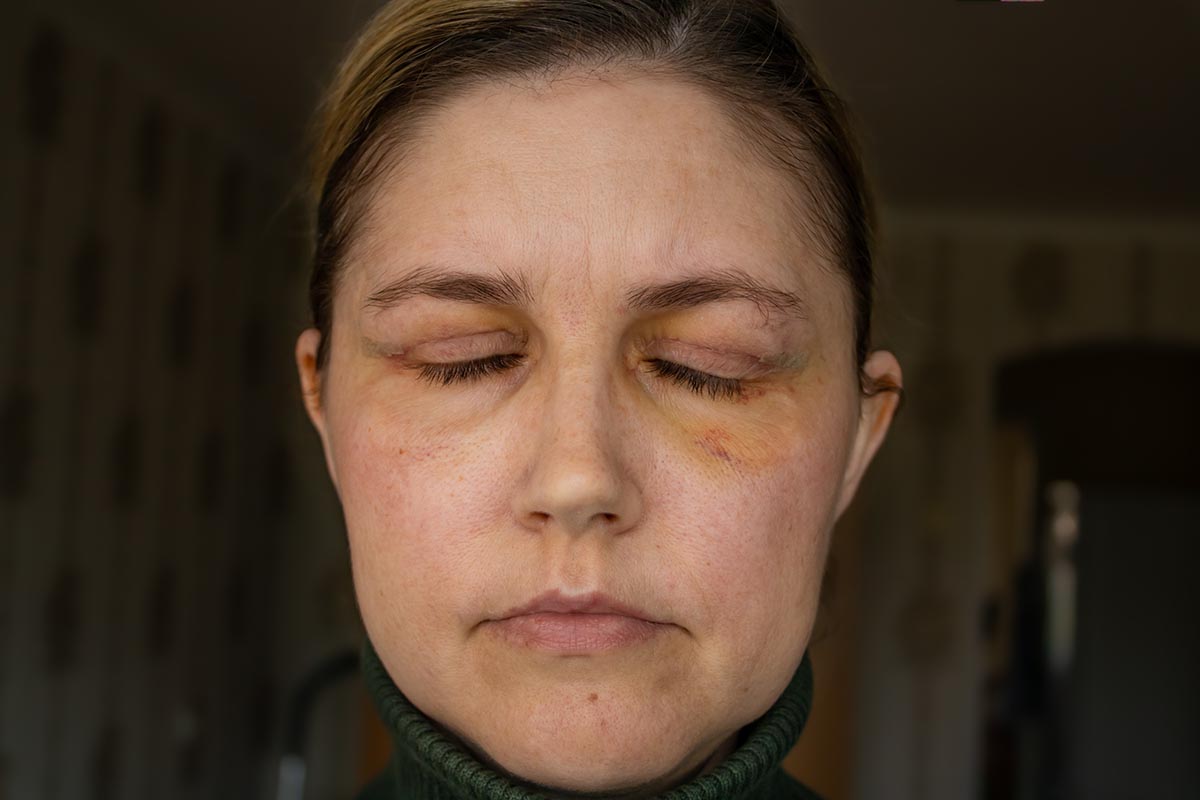
Lower blepharoplasty involves reshaping the area beneath the eyes, often by repositioning or removing fat and tightening skin. Because this region contains delicate tissue and looser support structures, swelling can be more persistent than it is with upper eyelid surgery.
Patients are often surprised that lower eyelid swelling can linger even after bruising has faded. This does not usually mean something is wrong. The lower lids are influenced by gravity, facial movement, and lymphatic drainage, which can slow down how quickly fluid clears from the area. Subtle fullness may come and go for several weeks before fully settling.
Tightness beneath the eyes is also common, especially if fat was repositioned or skin was tightened. As the tissues soften, this sensation gradually improves and the contour becomes smoother.
Book a Blepharoplasty Consultation in New Jersey
Healing from eyelid surgery is a gradual process, and it’s important to remember that improvements often happen in stages. Being informed about common healing patterns and realistic timelines helps reduce anxiety and lets you appreciate the progress you’re making, even on days when swelling or tightness still lingers.
If you’re ready to learn whether blepharoplasty is right for you, Derma Laser Center in New Jersey offers complimentary consultations with Dr. Ayman El-Attar to discuss your eyelid concerns and walk you through the options. Our clinic is known for delivering natural-looking results using precise, laser-assisted techniques and focused aftercare support.