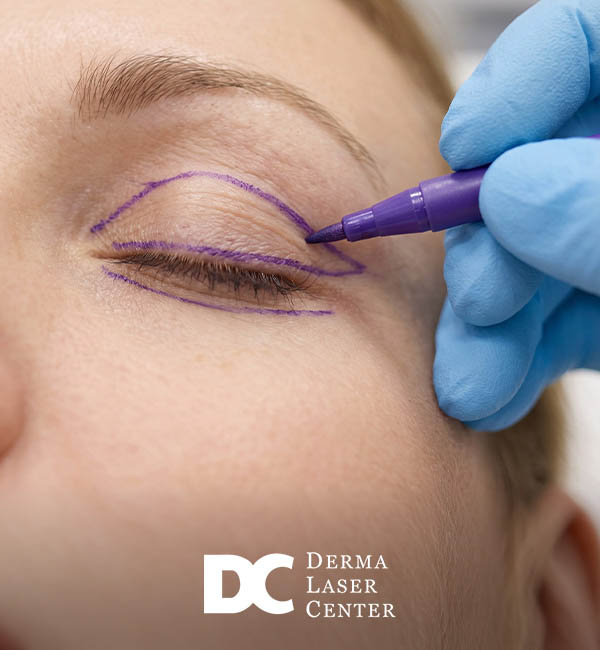

Blepharoplasty, or eyelid surgery, is often performed to remove excess skin and improve drooping around the upper or lower eyelids. For some patients, the goal is cosmetic. For others, sagging upper eyelid skin can interfere with vision and make everyday activities more difficult.
If you are wondering, “Does insurance cover blepharoplasty?” the answer usually depends on whether the surgery is considered cosmetic or medically necessary. In this article, we’ll explain when eyelid surgery may qualify for coverage, what documentation insurers may require, and how to determine whether you may be eligible.
Is Eyelid Surgery Covered by Insurance?

The short answer is that insurance may cover eyelid surgery, but only under specific circumstances. Coverage is more likely when drooping upper eyelids or excess skin interfere with vision and the procedure is recommended to restore normal function.
If the blepharoplasty procedure is performed for purely cosmetic improvement, it is typically considered elective and must be paid for out of pocket.
When Is Blepharoplasty Cosmetic or Medically Necessary?
Not every blepharoplasty is performed for the same reason. Some patients choose eyelid surgery to improve signs of aging, while others need treatment because drooping skin affects their ability to see clearly. Insurers usually look at the purpose of the procedure and whether there is evidence of a functional problem before deciding if coverage may apply.
Cosmetic BlepharoplastyA procedure is generally considered cosmetic when the main goal is to:
|
Functional BlepharoplastyA procedure may be considered functional when drooping eyelid tissue causes concerns such as:
|
What Conditions May Qualify for Blepharoplasty Insurance Coverage?
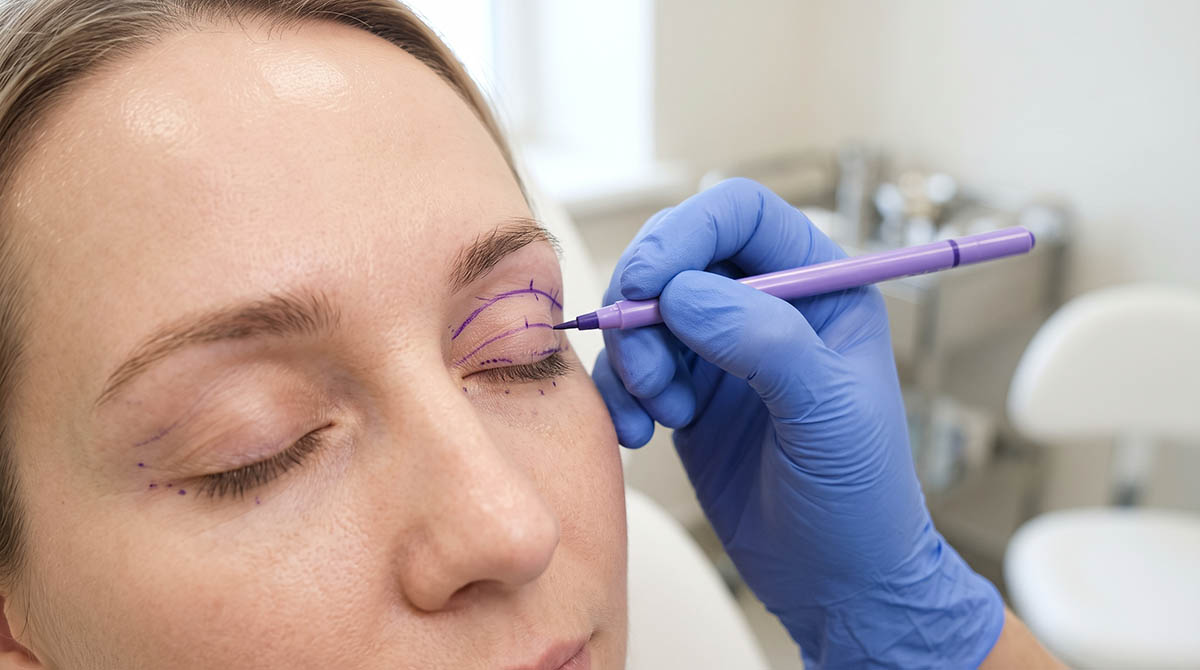
For blepharoplasty insurance coverage to be considered, the eyelid problem usually needs to affect more than appearance. Insurers often require evidence that excess skin or drooping limits vision, causes physical symptoms, or interferes with normal activities. A medical examination and supporting tests are typically needed to determine whether a patient meets the plan’s criteria.
- Excess Skin That Hangs Into the Line of Sight: Upper eyelid skin may sag low enough to cover part of the eye or rest against the eyelashes. This can narrow the visual field and make it harder to see clearly, particularly when looking upward.
- Drooping Caused by Ptosis: Ptosis occurs when the eyelid margin falls lower than it should. Patients may feel that one or both eyes are difficult to keep open. Since ptosis involves the eyelid-lifting mechanism, it may require a different repair in addition to or instead of blepharoplasty.
- Reduced Peripheral Vision: Patients may not immediately realize how much eyelid drooping affects their side or upper vision. Formal testing can measure the loss and help determine whether surgery is likely to provide a functional improvement.
- Persistent Eyelid Discomfort: Heavy tissue may cause a pulling sensation, irritation, or soreness around the eyelids. Some patients also experience repeated skin inflammation where the folds rub together. These symptoms must usually be documented before coverage is considered.
- Forehead Fatigue From Constant Brow Lifting: Raising the eyebrows can temporarily move excess skin away from the eyes, but doing this throughout the day may lead to forehead fatigue or headaches. A provider should first identify whether the strain is caused by the eyelids, the brow position, or both.
- Difficulty With Routine Visual Tasks: Problems reading, driving, using stairs, or working at a screen may support medical necessity when they result from impaired vision caused by the eyelids. Patients should describe these limitations clearly during their evaluation so they can be included in the medical record.
Common Blepharoplasty Insurance Requirements

To qualify for potential coverage, patients usually need evidence that their eyelid condition causes a genuine functional concern. Insurers often review the patient’s symptoms alongside clinical findings and test results before deciding whether surgery is medically necessary. The process differs between plans, but it commonly includes the following requirements.
- A Clear Record of Vision-Related Symptoms: The patient’s medical notes should describe the specific problems caused by the eyelids. Examples may include blocked upper vision, difficulty reading, trouble driving, or the need to lift the forehead to see more clearly. General dissatisfaction with the appearance of the eyes is usually not enough to support coverage.
- Confirmation of the Underlying Eyelid Problem: An examination is needed to identify whether the concern is caused by loose upper eyelid skin, ptosis, low brow position, or a combination of these conditions. This distinction matters because the appropriate procedure and insurance criteria may differ.
- Standardized Medical Photographs: Preoperative photographs may be submitted to show the eyelid position and the degree of skin excess. The photographs should clearly support the findings documented during the physical examination.
- Results From Visual Field Testing: Some insurers require a visual field test to document how much vision is being obstructed. Testing may also be repeated with the eyelids temporarily elevated to determine whether correcting the drooping improves the patient’s field of vision.
- Supporting Medical Records: The submission may include examination notes, test results, the diagnosis, and the surgeon’s explanation of why the proposed procedure is needed. Missing or incomplete documentation can delay the review or lead to a denial.
How to Check Whether Your Insurance Plan Covers Eyelid Surgery

Understanding droopy eyelid surgery insurance coverage usually requires more than a quick call asking whether blepharoplasty is included. Insurers often review the reason for surgery, the exact procedure being proposed, and the medical evidence supporting it.
The following steps can help you understand what your plan may cover and what costs you may still need to pay.
- Review your plan’s benefits and medical policy
Start by checking your insurance documents or online member portal for information about blepharoplasty, ptosis repair, and functional eyelid surgery. Look for language related to medical necessity, exclusions, and required documentation. - Call the member services number on your insurance card
Ask whether upper eyelid surgery is covered when it affects vision or normal daily function. It is helpful to write down the representative’s name, the date of the call, and any reference number provided. - Ask which procedure your plan evaluates
Blepharoplasty, ptosis repair, and brow surgery are not the same procedure. Coverage may depend on the exact diagnosis and treatment being recommended, so ask how your plan handles each one. - Confirm whether prior authorization is required
Some insurance plans require approval before surgery can take place. Ask what records must be submitted and whether the authorization needs to be completed by the surgeon, eye doctor, or another provider. - Find out what testing and documentation are needed
Your insurer may request clinical photographs, eyelid measurements, visual field testing, and medical notes describing your symptoms. Ask whether the plan uses specific criteria rather than relying on general information found online. - Check whether the surgeon and facility are in network
A procedure may qualify for coverage, but using an out-of-network provider can increase your costs. Confirm the network status of both the surgeon and the surgical facility. - Ask about your expected out-of-pocket costs
Coverage does not always mean the procedure will be free. Ask about your deductible, copay, coinsurance, and any cosmetic portions of treatment that may not be included. - Request written confirmation when possible
Verbal information can be helpful, but written plan details provide a clearer record. Ask where you can find the relevant policy or whether the insurer can send you a copy.
What If Insurance Does Not Cover Your Blepharoplasty?

For patients who do not qualify for blepharoplasty insurance coverage, the procedure may need to be paid for out of pocket. However, this does not necessarily mean that surgery is financially out of reach. Some aesthetic clinics, including Derma Laser Center NJ, offer financing options that allow approved patients to spread the cost over time.
At Derma Laser Center NJ, eligible patients may apply for CareCredit financing with 0% interest for up to 18 months. The clinic also provides all-inclusive pricing that covers the procedure, local anesthesia, and facility fees.
Schedule a Blepharoplasty Consultation in New Jersey
Insurance coverage is only one factor to consider when exploring blepharoplasty. The right treatment depends on what is causing the eyelid concern, how it affects you, and what you hope to improve. A professional evaluation can help determine whether upper, lower, or combined eyelid surgery is suited to your needs.
At Derma Laser Center NJ, Dr. Ayman El-Attar offers complimentary 30-minute consultations, available both in person and virtually. During your appointment, you can discuss your concerns, receive a personalized treatment recommendation, and review the expected cost before deciding how to move forward. Schedule your free consultation today.