
Fractional CO2 laser resurfacing is one of the most effective ways to improve wrinkles, acne scars, sun damage, and rough texture, but it isn’t a lunchtime treatment. Knowing what CO2 laser resurfacing recovery actually looks like, day by day, makes it much easier to plan time off, prepare your skin, and stay calm when your face looks worse before it looks better.
Quick answer
Most of the visible CO2 laser resurfacing recovery happens in the first 7 to 14 days. For the first 12 to 48 hours, expect a warm, sunburn-like feeling. Swelling, redness and peeling follow as new skin forms. CO2 laser resurfacing downtime is about one week for many patients, but a deeper treatment, a sensitive area or a job where you’re face-to-face with people can mean taking closer to two weeks off. Some pinkness may last several weeks, and full recovery usually takes up to four weeks, sometimes longer around the eyes.
Below, we’ll walk through the CO2 laser resurfacing healing stages, what’s normal at each point, and how to support your skin along the way.
What Happens to Your Skin During CO2 Laser Resurfacing?
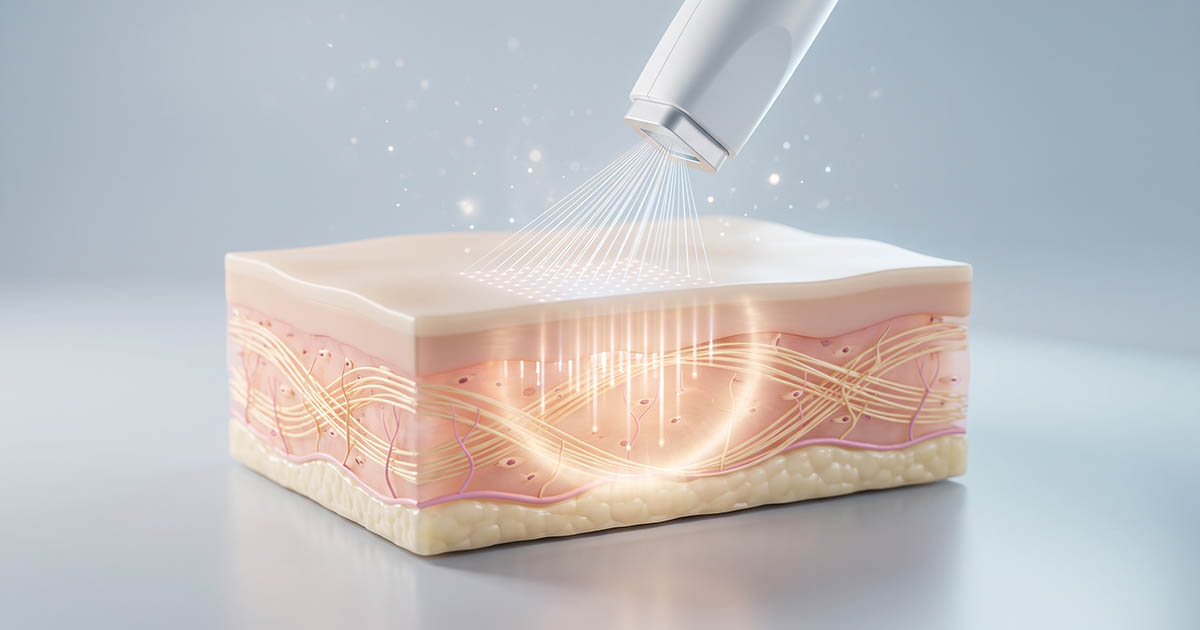
At Derma Laser Center, CO2 laser resurfacing is performed with fractional technology that uses pattern-generated scanners. Rather than treating the entire skin surface, the laser creates tiny columns of controlled injury while leaving the surrounding tissue intact. That untouched skin acts as a reservoir that helps the treated areas heal faster than they would with older, fully ablative lasers.
Your skin’s repair response is what drives results, and it’s also what drives the recovery process. As damaged outer layers shed and new skin forms, you’ll move through predictable stages of redness, swelling, flaking, and gradual renewal. How intense each stage feels depends on your treatment depth, the area treated, and your skin type, which is why your provider will tailor both your settings and your aftercare plan during your consultation.
CO2 Laser Recovery Timeline at a Glance
| Timeframe | What’s Typical |
|---|---|
| Hours 0–48 | Sunburn-like warmth, tightness, swelling begins |
| Days 2–4 | Peak swelling, redness, oozing or crusting may start |
| Days 5–7 | Peeling and flaking; new skin starts to show |
| Days 7–14 | New skin covers most of the treated area; many patients return to work |
| Weeks 2–4 | Pinkness fades gradually; texture and tone keep improving |
| Weeks 4+ | Most patients considered fully recovered; collagen remodeling continues |
Every patient heals a little differently, so think of this CO2 laser recovery timeline as a general guide rather than a fixed schedule.
CO2 Laser Recovery Day by Day
Day 1: Treatment Day
Right after treatment, your skin will feel hot and tight. Most patients compare it to a significant sunburn. This sunburn-like sensation is most noticeable during the first 12 to 48 hours. You may also see pinpoint bleeding or light oozing, and swelling usually starts to build by the evening.
Your provider will give you specific post-treatment instructions and any medication to support your recovery. Plan to go straight home, rest with your head slightly elevated, and keep your hands off your face.
Days 2–3: Swelling and Redness Peak
Days two and three are often the most uncomfortable part of CO2 laser resurfacing recovery. Swelling tends to peak, especially around the eyes and lower face, and your skin may look bright red or bronzed. Some patients notice a light crust or weeping as the treated microscopic columns begin to heal.
This is completely expected. Cleanse gently with lukewarm (not hot) water, apply the healing ointment your provider recommends, and avoid rubbing or scrubbing. Sleeping on an extra pillow can help reduce morning puffiness.
Days 4–6: Peeling and Flaking Begin
Around this point, swelling starts to ease and the treated skin begins to flake and peel. It may look darker or feel rough, like sandpaper; that’s the old, damaged skin making way for new skin underneath.
The most important rule during this stage: don’t pick or peel. Let flakes come off on their own. Pulling at peeling skin before it’s ready can increase the risk of irritation, pigment changes, or scarring.
Days 7–10: New Skin Emerges
By the end of the first week, new skin often covers most of the treated area. It will look pink and feel smooth but delicate. Many patients feel comfortable returning to work and light daily activities after about one week, depending on how intense the treatment was.
Your new skin is still very sensitive at this stage, so sun protection becomes a top priority. Ask your provider when it’s safe to start wearing makeup (typically once the new skin has fully formed and the area has healed).
Days 10–14: Settling In
Most of the visible flaking should be finished by day 14. Residual redness is common and may look like a healthy flush. If your job is very public-facing, or you had a deeper treatment, this is often when patients feel ready to go back to in-person activities.
Weeks 2–4: Continued Improvement
During weeks two through four, pinkness gradually fades and skin texture continues to refine. Some patients see lingering pinkness for several weeks or longer, particularly with deeper treatments or lighter skin tones. Full recovery usually takes up to four weeks, though delicate areas like under the eyes may take more time.
Months 1–6: Collagen Remodeling
Even after you look “healed,” your skin keeps working. CO2 resurfacing is designed to stimulate collagen production, so improvements in fine lines, texture, and acne scars often continue to develop over the following months. You can see what this progression looks like for real patients in our CO2 laser before and after gallery.
How Long Does CO2 Laser Take to Heal?
So, how long does a CO2 laser take to heal? For most patients, initial skin healing takes about 7 to 14 days, with continued improvement over the next two to four weeks. Several factors affect your personal timeline:
- Treatment depth and intensity: deeper, more aggressive resurfacing means more downtime.
- Treatment area: thinner, more sensitive skin (like the eyelids or neck) can take longer than the cheeks or forehead.
- Skin type: your provider will consider your skin tone when planning settings and aftercare.
- Lifestyle habits: smoking and sun exposure can slow healing. Smokers are generally advised to quit before and after treatment.
- How closely you follow aftercare: picking, skipping moisturizer, or restarting active skincare too early can delay recovery.
How to Plan for CO2 Laser Resurfacing Downtime
Because CO2 laser resurfacing downtime is real, a little planning goes a long way:
- Block off at least one week, and up to two if you work in person or had a deeper treatment.
- Stock up before treatment day on your recommended ointment, a gentle cleanser, and broad-spectrum sunscreen.
- Schedule around big events. Avoid booking treatment in the weeks before a wedding, vacation, or photo-heavy occasion.
- Plan your other treatments strategically. CO2 resurfacing can be combined with options like Botox for expression lines or dermal fillers for lost volume, but DLC avoids treating the same area with multiple procedures on the same day.
CO2 Laser Resurfacing Aftercare: Do’s and Don’ts
Good CO2 laser resurfacing aftercare protects your results and helps you heal as smoothly as possible.
Do:
- Cleanse gently with lukewarm water and your provider-recommended cleanser
- Keep your skin moisturized with the healing ointment your provider recommends
- Use broad-spectrum sunscreen once your provider approves it, and avoid direct sun exposure
- Sleep with your head slightly elevated during the first few nights
- Follow Dr. El-Attar’s and your care team’s instructions closely
Don’t:
- Pick, scratch, or peel flaking skin
- Use hot water, scrubs, or rub the treated area
- Restart retinoids, glycolic acid, or other exfoliating acids until your provider says it’s safe. Some patients wait about six weeks
- Use fragranced skincare products during healing
- Wear makeup before the new skin has formed
When to Call Your Provider
Some discomfort, redness, and peeling are normal. Contact your provider promptly if you notice increasing pain after the first few days, yellow crusting, unusual discharge, fever, blistering, or any area that seems to be getting worse instead of better. Early attention to these signs helps your care team address any concerns quickly.
Is CO2 Laser Resurfacing Right for You?
CO2 resurfacing is best suited for patients who want meaningful improvement in sun damage, fine lines, wrinkles, acne scars, enlarged pores, uneven pigmentation, or rough texture and who can set aside time for recovery. If you’re looking for less downtime, a gentler option like Rejuvapen microneedling or targeted laser pigment removal may be a better starting point, depending on your concerns.
At Derma Laser Center, treatment plans are guided by Dr. Ayman El-Attar, who is triple board-certified by the American Board of Aesthetic Medicine, the American Board of Laser Surgery, and the American Board of Cosmetic Gynecology. CO2 laser resurfacing at DLC is $2,750 per session, and most patients need one session, though additional or maintenance treatments may be recommended. CareCredit financing may be available for up to 18 months for qualified patients, subject to approval.
Ready to Plan Your CO2 Laser Treatment?
The best way to know what your CO2 laser resurfacing recovery will look like is a one-on-one evaluation. DLC offers free 30-minute consultations at our Hamilton Township and Somerset locations, where we’ll review your skin goals, recommend the right treatment depth, and map out a recovery plan that fits your schedule. Book Your Free Consultation